
Solar Energy and Battery Monitoring: What Is Actually Worth Monitoring?
Solar energy monitoring covers more than generation. It also includes electricity consumption, battery conditions, and available power sources. Explore the indicators worth tracking and how automation can support energy management under Syria’s electricity conditions.
Energy· · 5 min read
Solar panels and battery storage systems have become essential parts of everyday life in many Syrian homes and businesses. With recurring power outages and unpredictable electricity availability, the question is no longer just how much energy solar panels generate. It is also how that energy is used, how batteries are performing, and when electrical appliances should operate.
Having a screen that displays solar system information does not necessarily mean the homeowner has a complete understanding of what is happening. They may know that the battery is charged without understanding why it drains quickly or which appliances consume electricity overnight. This is where intelligent monitoring becomes valuable: turning electrical measurements into understandable information that supports better decisions without introducing unnecessary complexity.
What Do We Really Need to Know About an Energy System?
The information worth monitoring varies between properties, but the main objective remains the same: understanding available energy sources, electricity consumption, and overall system conditions.
In a home using the public electricity grid, solar panels, and batteries, the active power source may change throughout the day. Some properties also rely on generators. Monitoring which source supplies the electrical loads, the status of each source, and transitions between them provides valuable operational visibility.
Practical monitoring begins with three connected elements: energy generation, electricity consumption, and available battery energy. Bringing these measurements together makes it easier to understand how the system behaves.
Not every technical detail needs continuous attention. Too many readings can become a burden when they do not help users identify problems or take meaningful action. A better approach is to select useful indicators, present them clearly, and keep detailed technical information available for diagnostics and maintenance.
Monitoring Solar Production and Electricity Consumption
Monitoring solar energy production helps users understand how their system performs during daylight hours. A monitoring interface can display current solar output, energy generated over a selected period, and changes associated with operating conditions.
However, reduced production does not always indicate a malfunction. Dust, shading, weather conditions, panel temperatures, and equipment characteristics can all influence performance. Measurements should therefore be interpreted within their operating context rather than using a single number to determine system efficiency.
Electricity consumption monitoring answers a different question: where is the energy going? Total household consumption can be measured, with additional monitoring points for important loads such as water pumps, water heaters, and air-conditioning systems when the electrical infrastructure permits.
In a Syrian home that relies on batteries overnight, consumption records may reveal appliances operating unnecessarily for extended periods. This information can help adjust operating schedules and identify loads that would benefit from automation.
Battery Monitoring Goes Beyond Voltage
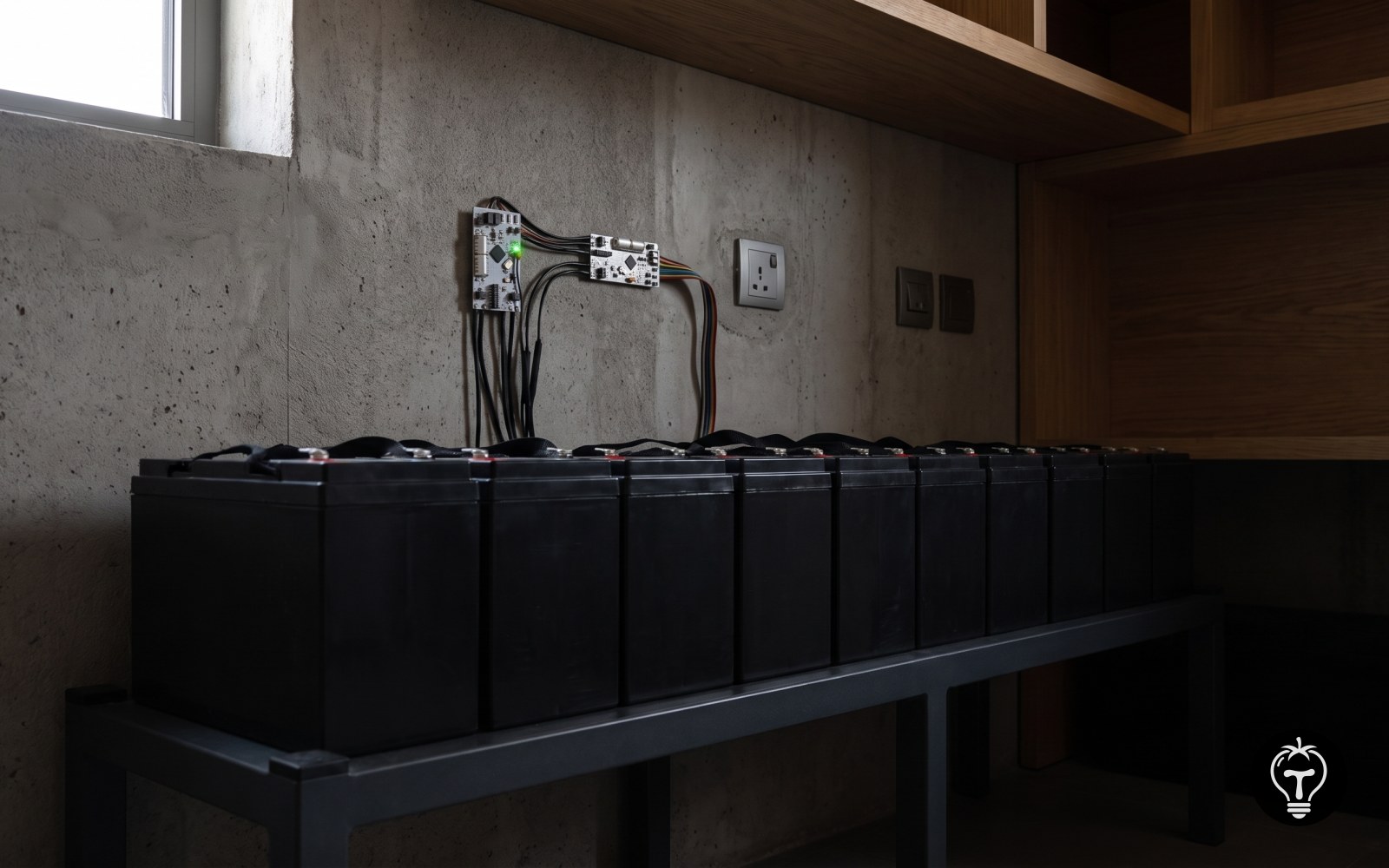
Batteries are a critical part of an energy system because they determine how much stored energy is available when other power sources are unavailable. Useful indicators include battery state of charge, charging and discharging activity, power consumption, temperature, and battery-related warnings when supported by the equipment.
It is important to distinguish battery voltage from state of charge. Voltage alone is not always sufficient to accurately determine remaining battery capacity, particularly across different battery technologies and operating conditions. When a compatible battery management system provides charging information and warnings, those readings can offer more useful information than simplified voltage-based estimates.
Tracking charging and discharging history also helps users understand operating patterns, including repeated overnight battery depletion or frequent operation at low charge levels. However, these measurements alone cannot establish the battery’s overall health or accurately predict its remaining lifespan. Additional information and appropriate testing may be required.
The purpose of battery monitoring is not to collect as many measurements as possible. It is to identify conditions that deserve attention before they develop into operational problems.
Managing Electrical Loads as Power Sources Change
In Syria, some appliances may operate using solar energy during the day and battery storage at night, while public electricity returns at unpredictable times. Automation can use information about these conditions to schedule nonessential electrical loads more intelligently. For example, a water heater may be allowed to operate when sufficient energy is available, while certain activities can be postponed when battery charge becomes low.
At a property with a water tank and pump, water-level information can be integrated with energy availability to select a more suitable operating schedule while respecting actual water requirements.
However, automated load management must never replace essential protective mechanisms. Software or wireless communication should not substitute for appropriate electrical breakers, protection equipment, or safeguards against running a pump without water. Critical equipment, such as communication infrastructure and other essential systems, should also be identified so that automation does not disconnect it without proper planning.
Clear Dashboards and Meaningful Alerts
Energy monitoring becomes more useful when information is presented through a single dashboard rather than scattered across multiple screens and applications. A dashboard can display public grid availability, solar generation, battery charge, current electricity consumption, and relevant alerts. Historical records can also help users review changes over time.
Useful alerts might include battery charge falling below a system-specific threshold, unexpected reductions in solar production, or unusually high consumption from a monitored appliance. Alert conditions should be configured carefully to avoid repeated notifications that do not require action.
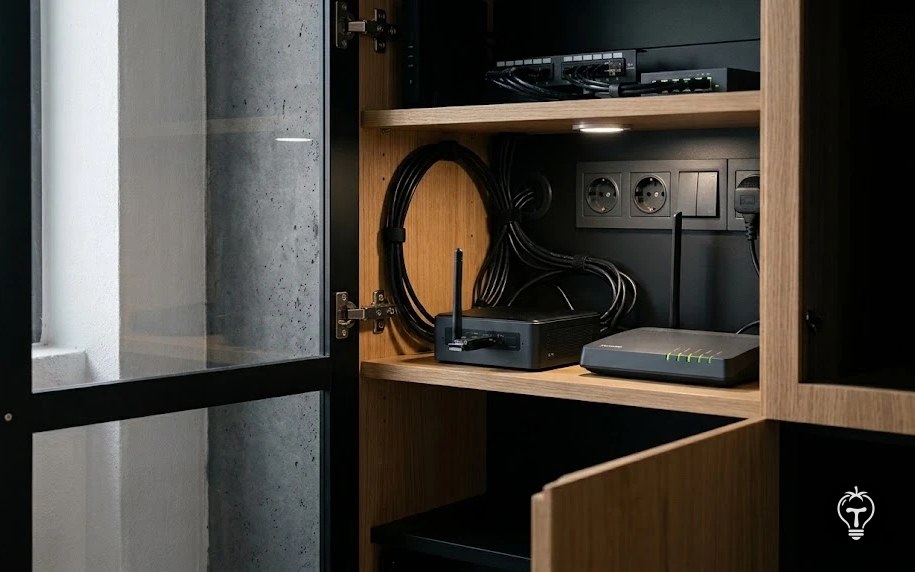
Because internet quality varies across Syria, essential automation functions should operate locally wherever practical, with suitable power supplies for the controllers and network equipment. Remote access and external notifications, however, may become unavailable during internet outages.
At TOMATICO, we assess the existing energy installation, verify what information can be accessed and integrated, and identify the measurements and automation scenarios that provide practical value. We do not assume that every device supports monitoring or remote control without verifying its compatibility. If you would like to understand what can be monitored or automated in your existing energy system, you can request a consultation or preliminary estimate, based on your current equipment and actual requirements.