
Smart Hotels: How Automation Improves Guest Experience and Hotel Operations
A smart hotel is more than connected devices in guest rooms. It is an integrated system that supports guest comfort, energy management, operations, and maintenance. Discover practical hotel automation applications and how to design systems around Syria’s electricity and connectivity challenges.
Business· · 5 min read
Hotel guests do not need to know how many smart devices are installed in their rooms. What matters to them is comfortable lighting, a suitable room temperature, and services that are easy to use. Hotel management, meanwhile, focuses on organized operations, better visibility into energy consumption, and faster identification of problems.
This is where smart hotel automation becomes valuable. It is not simply about adding screens or control devices to every room. It involves designing a connected system that brings guest rooms, shared facilities, and operational services together in a clear and practical way. In Syria, this approach becomes particularly relevant because of electricity and internet challenges, along with the need to manage energy sources and equipment efficiently. Hotel automation must therefore reflect the building’s actual conditions and the needs of guests and staff rather than assuming ideal operating conditions.
Smart Rooms That Offer Simple and Comfortable Control
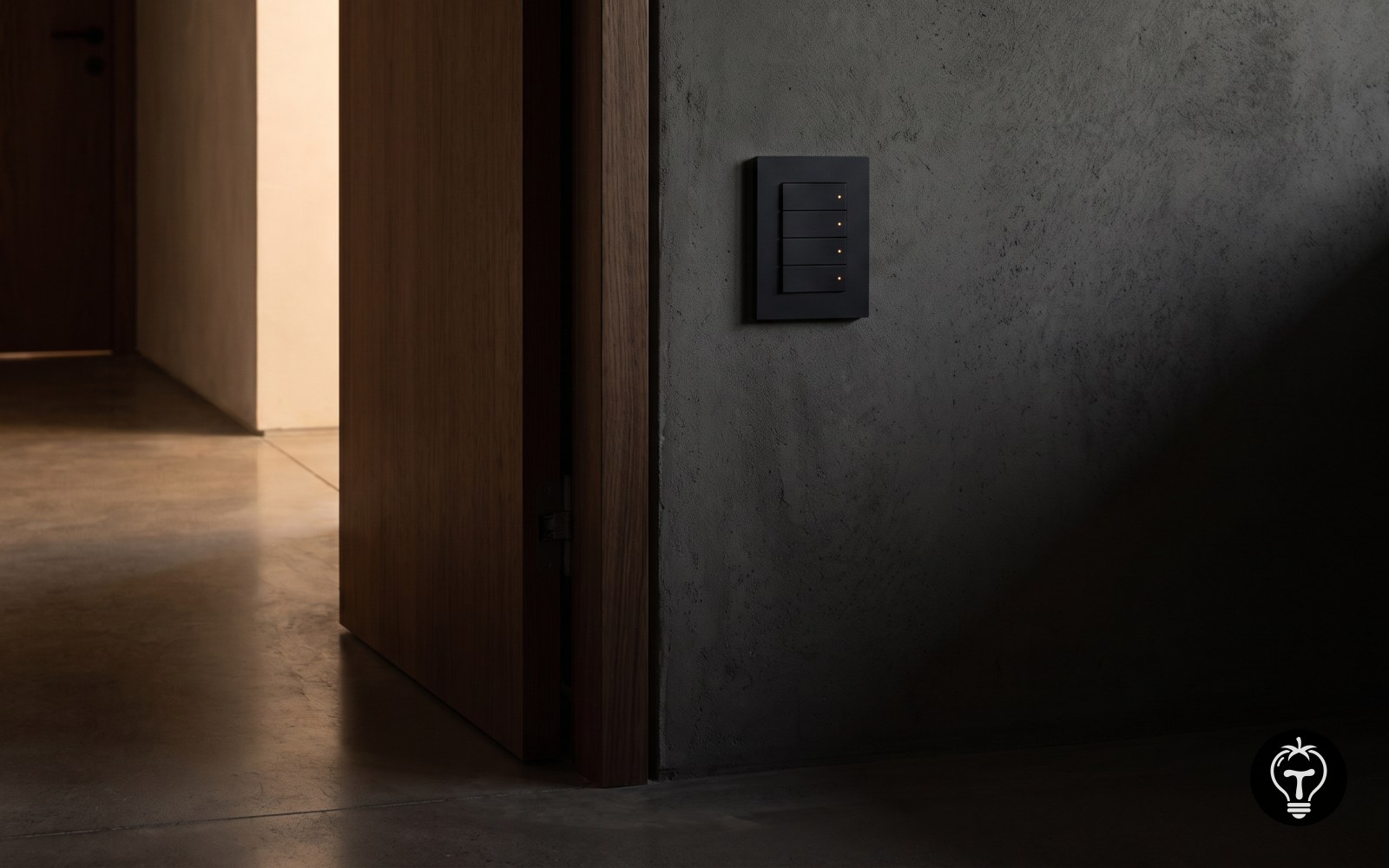
The smart hotel experience begins inside the guest room. When guests enter, they should find an intuitive way to control lighting, air conditioning, and curtains without learning a complicated system or using their personal smartphones.
A welcome scenario can adjust the lighting when a guest enters the room while preserving full manual control. Additional modes for sleeping, reading, or relaxing can also be provided, depending on room equipment and hotel requirements.
Importantly, automation should never become an inconvenience. Lights that turn off because a motion sensor fails to detect a sleeping guest do not represent a successful smart experience. Neither does an air-conditioning system that repeatedly changes its settings without considering the comfort of someone inside the room. The quality of automation depends on thoughtful scenario design and testing under actual usage conditions, rather than the number of available features.
A successful smart room is one that guests can operate easily, whether they prefer manual control or automatic functions.
Managing Occupancy and Energy Without Compromising Comfort
One of the most useful applications of hotel automation is connecting selected equipment operations to room status, whether the room is occupied, vacant, or being prepared for a new guest. For example, an energy-saving mode can be activated when a room is confirmed vacant. This may reduce unnecessary electrical loads while preserving essential operating requirements. When the room is prepared for an arriving guest, suitable settings can be restored.
However, determining whether someone is present requires careful planning. A motion sensor alone cannot always determine whether a room is empty, since guests may be sleeping or sitting still for extended periods. Room reservation status, access events, and suitable presence sensors can be combined when supported by the hotel’s existing systems and operational policies.
The objective is not to disconnect electricity whenever movement stops. It is to manage consumption without disturbing guests or compromising their safety. Energy consumption records can also reveal unusually high loads or differences between rooms and floors, helping management review operations and make decisions based on actual measurements.
Automation That Supports Operations and Maintenance Teams
The benefits of hotel automation extend beyond guest rooms. Hotels have shared facilities and equipment requiring regular attention, including corridors, entrances, water tanks, pumps, and climate-control systems. Lighting in selected common areas can be adjusted according to schedules or occupancy, provided appropriate lighting levels are maintained for safe movement. Temperature monitoring can also identify abnormal conditions in specific areas.
In hotels that rely on water storage tanks and pumps, monitoring water levels and equipment operation can help identify low reserves or unexpected continuous pump operation. Instead of waiting for staff to discover a problem during routine inspections, the system can notify the responsible team when predefined conditions occur.
However, automated alerts do not replace preventive maintenance, independent equipment protection, or inspections performed by qualified technicians. The main value is making relevant information available to the right person at the right time without overwhelming staff with unnecessary notifications.
How Can Syrian Hotels Address Electricity and Internet Challenges?
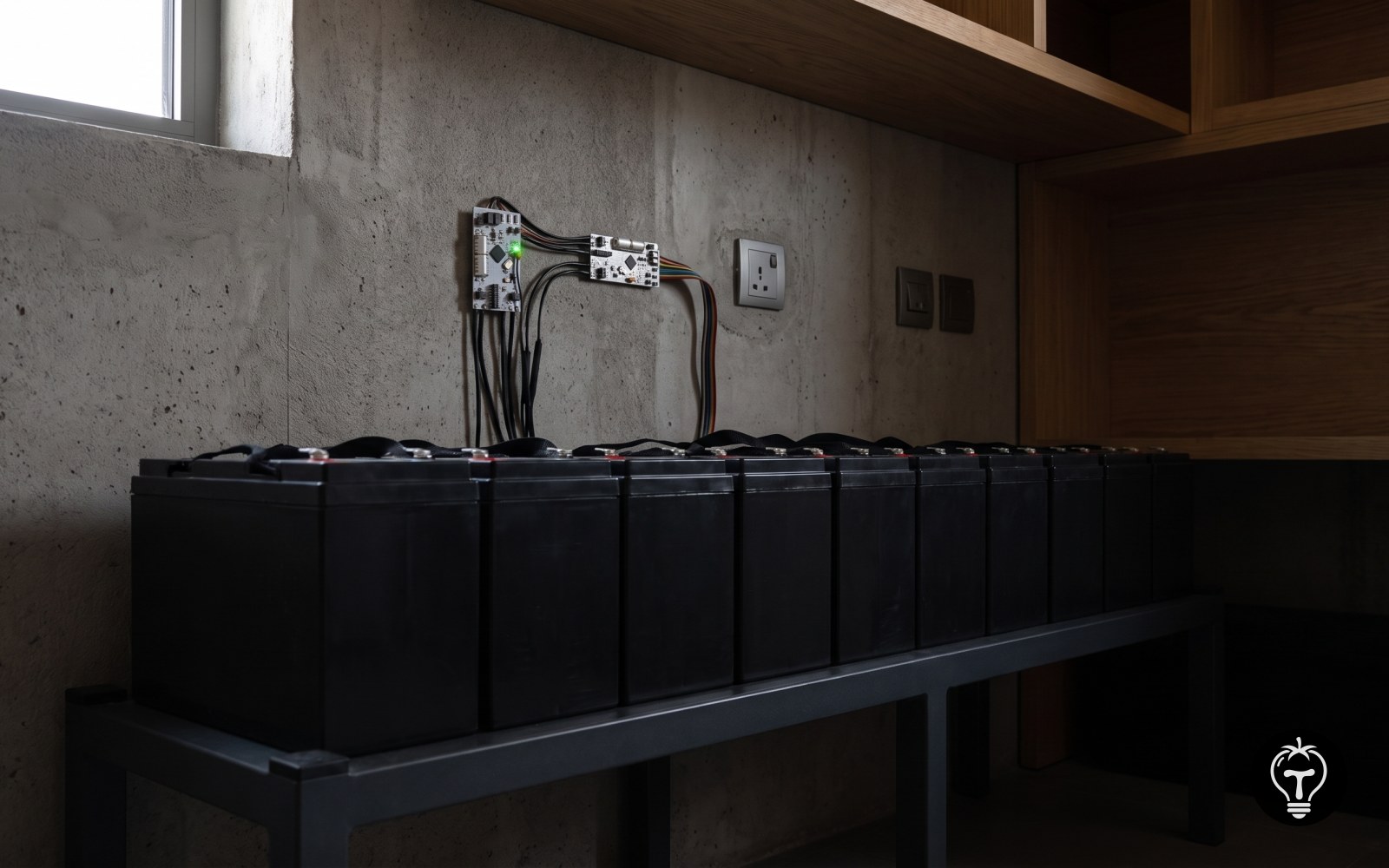
Hotel operating conditions vary significantly across Syria. A property may depend on public electricity while using a backup generator or solar panels and batteries to support part of its energy requirements. These conditions directly influence automation design. It is important to identify which functions must continue operating locally during internet outages and ensure appropriate power arrangements for controllers and networking equipment.
Selected energy sources and important electrical loads can also be monitored to improve operational visibility. However, this requires suitable measurement equipment and compatibility with the existing electrical systems.
At the same time, essential safety provisions, emergency exits, and fire protection systems must not depend on the availability of the general automation platform. Their independent operating and safety requirements must be respected. Basic controls within guest rooms should remain easy to use even when cloud services become unavailable.
Prioritizing local operation wherever practical does not eliminate every potential failure, but it reduces dependence on internet connectivity for functions that can operate within the hotel.
System Integration, Privacy, and Implementation
A hotel may already have reservation management software, an access-control system, and separate equipment for climate and energy management. Modernizing the property does not necessarily require replacing all these systems. Compatible systems can be evaluated for integration into a unified operational interface, helping management use available information without duplicating work or manually entering the same data wherever integration is possible.
Guest privacy must also be considered from the beginning. The system should avoid collecting unnecessary personal information or giving employees permissions beyond their operational responsibilities. Access to management dashboards and connected systems must be properly secured.
A practical implementation begins with a site assessment and a clear definition of guest-room and facility requirements. Testing the proposed solution in one room or a limited area before expanding can help evaluate usability, compatibility, and behavior during electricity or connectivity interruptions.
At TOMATICO, we focus on system design, installation, integration, testing, and support, with solutions adapted to the hotel’s actual infrastructure. If you are planning to upgrade an existing hotel or develop a new hospitality property, you can request a consultation or preliminary estimate to identify suitable automation opportunities before implementation.