
Smart Irrigation in Syria: How Automation Helps Manage Water and Pumps Efficiently
Smart irrigation helps monitor soil moisture, water tanks, and pumps while managing water distribution according to field requirements and operating conditions. Learn how agricultural automation can address Syria’s water scarcity, power interruptions, connectivity challenges, and equipment safety requirements.
Water & irrigation· · 6 min read
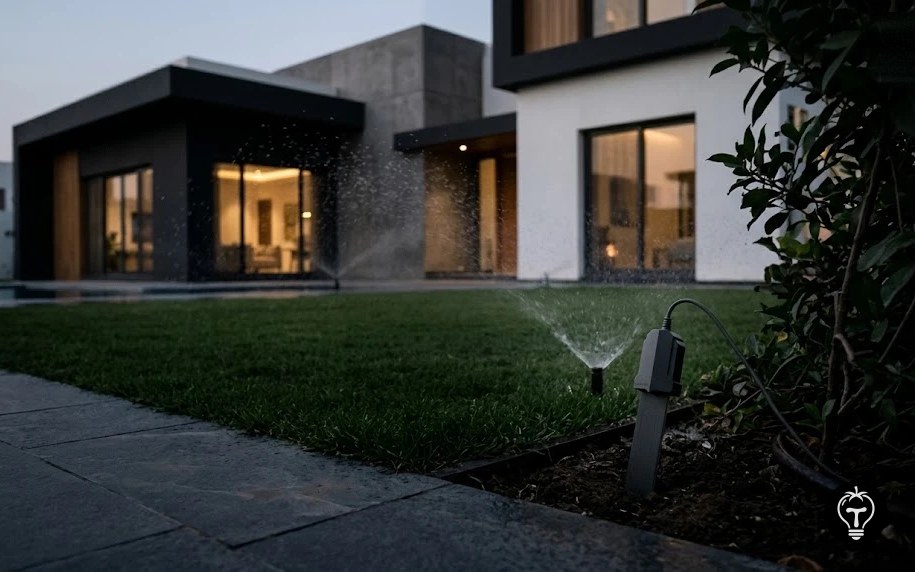
In many parts of Syria, irrigation management is no longer simply a matter of starting a pump and opening a valve at a scheduled time. Water scarcity, inconsistent electricity availability, and changing power sources all make irrigation a process that requires careful planning and continuous monitoring.
A farmer may rely on a well or water storage tank, with a pump powered by the public electricity grid, a generator, or solar panels. In some cases, irrigation continues longer than necessary, while other areas receive insufficient water because of differences in soil conditions or irrigation network distribution.
Smart irrigation does not mean replacing agricultural experience with software. It means using measurements and automated control to help landowners make better decisions, reduce manual intervention, and gain clearer visibility into their irrigation systems.
Why Are Fixed Irrigation Schedules Not Always Enough?
Traditional irrigation systems often operate pumps at predetermined times or deliver water for durations established by the farmer. This approach may work in certain situations, but it does not always reflect daily changes in field conditions.
Plant water requirements vary according to crop type, growth stage, temperature, soil characteristics, and weather conditions. Sandy soil, for example, does not retain water in the same way as clay soil.
On agricultural land near Damascus, trees exposed to direct sunlight throughout the day may have different water requirements from those growing in partially shaded areas. Running every irrigation zone for the same duration may therefore not be the most appropriate solution.
Automation can combine information from sensors and operating schedules to help determine irrigation timing based on more relevant conditions. However, deciding how much water a crop requires still depends on agricultural assessment, crop characteristics, and the irrigation method. Software cannot compensate for missing agricultural information or inaccurate measurements.
Soil Moisture Sensors and Monitoring Plant Water Needs
Soil moisture sensors help provide insight into water conditions in specific areas of a field. Their readings can support decisions about when irrigation should begin and whether operating durations need adjustment.
However, placing a single sensor anywhere in a field does not necessarily provide an accurate picture of the entire property. Differences in soil composition, root depth, and water distribution may cause readings to represent only a limited area. Sensor locations and installation depths should therefore be selected according to crop requirements, soil characteristics, and the irrigation method. Equipment must also be suitable for outdoor operating conditions.
Readings require appropriate interpretation and, where necessary, calibration. Soil characteristics, salinity, and sensor technology can influence measurement accuracy.
In an orchard using drip irrigation, the land can be divided into zones according to plant requirements. Monitoring soil moisture across these zones can help determine whether water is being distributed appropriately instead of applying one fixed schedule throughout the property. Sensors should not be the sole basis for every irrigation decision. Field observations, plant conditions, weather, and agricultural experience remain important elements of irrigation management.
Automating Pumps, Water Tanks, and Valves
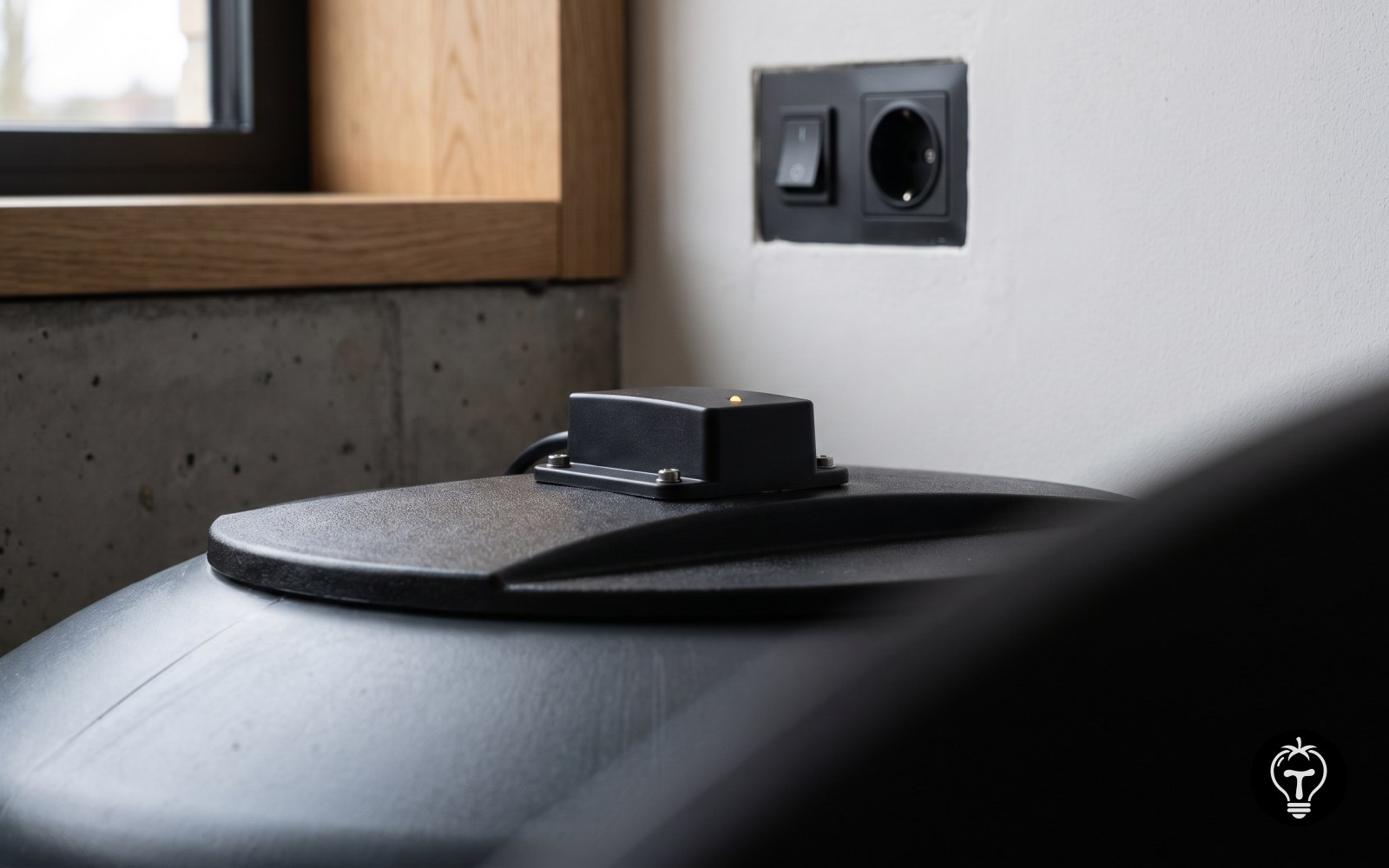
An irrigation system consists of several connected components. The pump requires water and electricity, the tank requires level monitoring, and valves control water distribution between irrigation zones. A smart system can monitor tank levels and pump status while controlling compatible valves according to schedules or defined operating conditions.
For example, when the water level in a tank is insufficient, the automation logic can prevent a new irrigation cycle from starting and notify the responsible person. Once suitable water and energy conditions are restored, operation can resume according to the approved settings. Flow or pressure monitoring, when appropriate measurement equipment is available, may also help identify conditions such as interrupted water flow or unusual differences from normal operation.
However, software-based automation does not replace the necessary electrical and mechanical protections for pumps. Independent safeguards against dry running and suitable protection for the irrigation network remain essential. System behavior during communication failures or electricity outages must also be defined. Safe manual controls should remain available for maintenance and emergency situations.
Smart Irrigation with Solar Energy and Unreliable Internet
On Syrian agricultural properties that use solar energy, pump operation can be coordinated with available electricity, particularly when pumping represents a significant electrical load. Scheduling certain irrigation cycles during suitable periods of solar production may be practical, provided it does not conflict with crop requirements or the operating conditions of the pump and water source.
Where batteries are installed, their condition can also be monitored, and electrical loads can be managed according to clearly defined priorities. However, the availability of electricity does not automatically mean that irrigation is necessary. Soil and plant requirements should remain the primary consideration.
Internet connectivity should not be a permanent requirement for essential irrigation functions when the equipment supports local control. A local controller can be configured to execute approved schedules and automation scenarios, while external connectivity provides remote monitoring, notifications, and control.
During an internet outage, local functions may continue operating if controllers, sensors, and essential equipment remain powered. External alerts and remote access can resume when the necessary connectivity and services become available.
How to Start a Smart Irrigation Project That Can Expand
A smart irrigation project begins with an assessment of the land, water source, pump specifications, existing pipes and valves, and available electricity sources. The next step is to identify agricultural zones and define the monitoring and control requirements. Starting with a clearly limited scope is often practical. For example, the initial implementation might focus on monitoring a water tank and pump or automating a single irrigation zone. System response and measurement accuracy can then be evaluated before expanding to additional areas.
Sensors and outdoor equipment require appropriate protection against moisture, dust, and heat. The design must also consider distances between components and accessibility for maintenance. Testing should include how the system responds to connectivity loss and power restoration. Configuration details should be documented, and the responsible operator should receive training on manual operation and notification handling.
At TOMATICO, we approach smart irrigation as an integrated engineering project. Our work includes assessing existing infrastructure, selecting suitable technologies, installing monitoring and control systems, configuring automation, testing operation, and providing support. We also recognize the importance of agricultural expertise when defining crop-specific irrigation requirements. If you are considering upgrading your irrigation system or remotely monitoring pumps and water tanks, you can request a consultation or preliminary estimate to explore a solution suited to your property’s conditions.